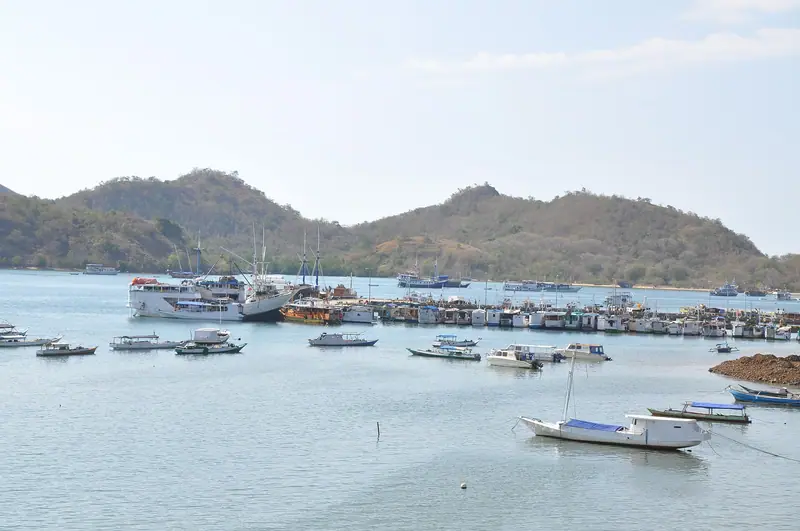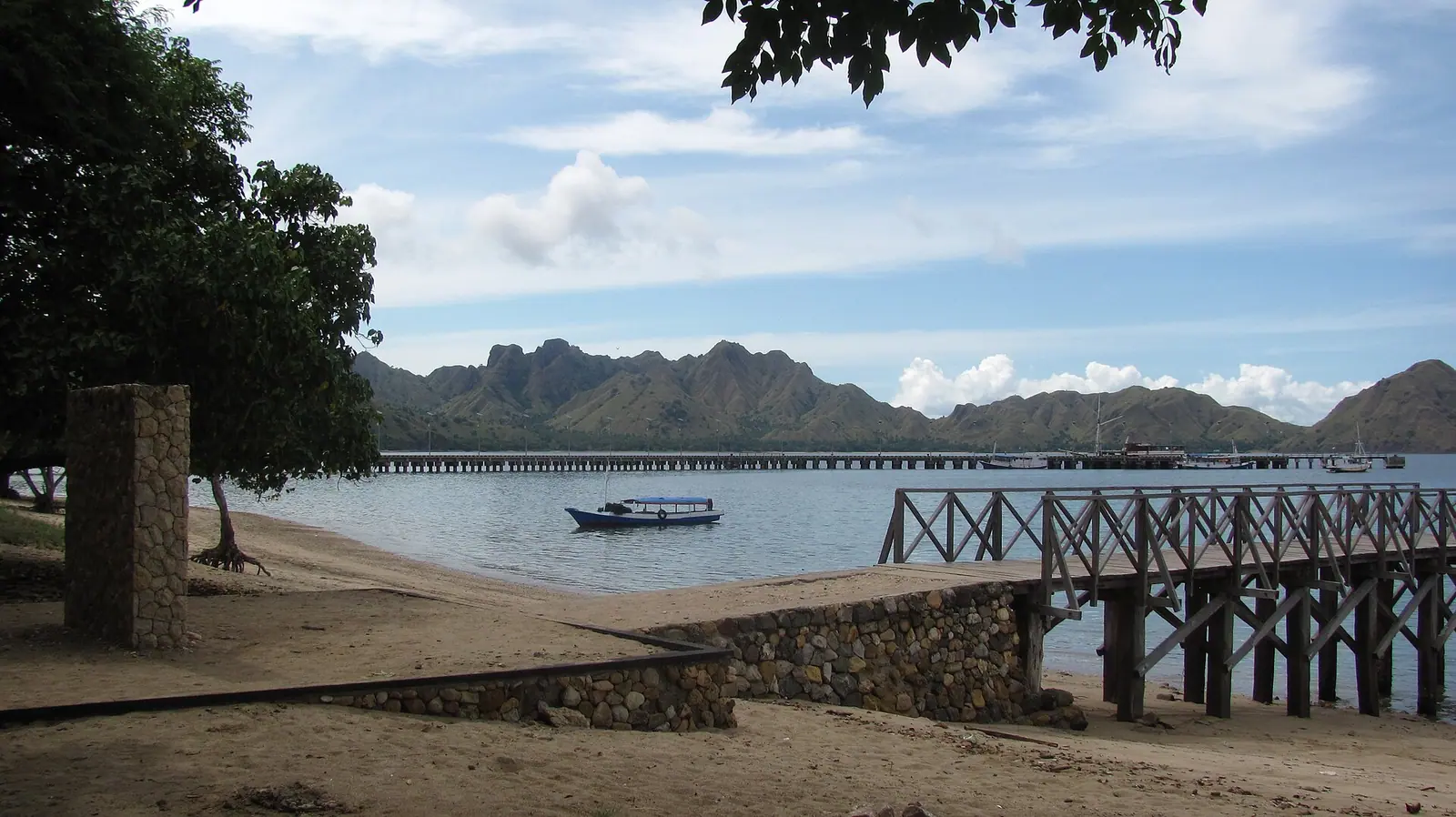
Park entry and boat
Open the SiOra reservation portal when you are booking your own entries. The forestry ministry announced a 1,000-visitor daily quota from 1 April 2026. Ask who will reserve each site before committing to a boat.
| Planned stop | If the operator handles it | If you book it yourself |
|---|---|---|
| Padar1 | Confirm the actual landing date and entry session on the itinerary, with names and booking proof. | Get the arrival window from your skipper before booking and match the session in SiOra. |
| Komodo Island, Loh Liang2 | Ask for Komodo Island entry and whether the ranger service is included. | Follow the route and tariff for Komodo Island and clarify payment for the ranger. |
| Rinca, Loh Buaya2 | Ask for Rinca by name and who is paying for the ranger. | Use the itinerary’s actual island and date. Recheck both if a Komodo stop is switched to Rinca. |
| Marine stops and activities2 | Get a list of water activities and any fees payable on board or locally. | Match the planned activities to the park tariff and ask the boat which charges it handles. |
Ask for the traveller names and categories, date, landing and Padar session where applicable, and the booking reference or voucher. Request the payment status and the balance due for admission, ranger and water activities. Match those details to your boat receipt. If the skipper changes the landing, ask who will update the park record.
Before you pay
Start with the official SiOra daily quota calendar and select the intended visit date. The park can adjust the number of places it releases. A space visible on the calendar is still available to other parties until booked. If a seller makes the reservation, ask for the reference for each intended landing while the boat fare is still refundable.
Compare the landing dates with the boat itinerary. On a shared speedboat, Padar and the dragon walk may be on the same day. On an overnight boat they may be on separate mornings, and either can fall after the day you board. Match the quota calendar to the date of your planned landing. A receipt for an extra park charge records the payment. The separate park record identifies the session and guests.
| Booking detail | What to match | If the offer is unclear |
|---|---|---|
| Passenger names | The names attached to the park reservation | The record applies to the passengers named on it |
| Landing destinations | Specific island and access point where stated | Loh Liang and Loh Buaya are different landings |
| Dates | Each date the boat expects to make a park landing | Match each landing to a calendar date |
| South Padar | The expected session, when applicable | Compare the entry window with the scheduled boat call |
| Amount due | Park charges included, collected later or paid directly | Match the quoted admission and services with the actual ticket |
| Reservation proof | A reservation reference or document for your party | Keep it with the boat ticket for the boarding day |
A conditional booking can work if its terms say when the trip becomes firm. Before paying a non-refundable deposit, read the seller’s terms for a park slot that never opens. A missing session can mean a different departure, a later landing on the same boat, or a trip that skips the island. If you chose a sailing chiefly for Padar or a dragon walk, look at the substitute itinerary before treating a boat reservation as enough.
If the operator requests a copy of your documents, use the channel specified for the booking. If you are reserving directly, start from the park’s own link and match the destination name with the boat before paying. The public material leaves some details open, including seller cut-off times for collecting documents and the point when an existing reservation can no longer be edited. A seller can explain the limits of its own procedure. Park changes still depend on the park’s rules.
Match the park record
A useful park record has a date, names that match your party and the intended landing. Compare it against the boat itinerary while there is time to correct a mismatch. On a party booking, use the names or references to identify each passenger covered by the reservation. A buyer’s name by itself may only identify the boat transaction. A screenshot of availability shows that a slot was visible when the image was taken. Your reservation reference is proof that your party booked it.
Keep the amended booking and the original record together. A change from Loh Liang to Loh Buaya changes the shore destination as well as the boat route. For a fixed-date cruise, compare the revised sailing schedule with the dates of each park stop. A credit has value only if its terms cover the passengers and services you booked, and if the revised visit includes the activity that brought you to the park.
When dates change
In April the forestry ministry said capacity could be revisited. An October RRI report quoted the acting park head about added allocations on a staged basis. These announcements describe how capacity has changed. A number in an old announcement cannot tell you how many places are left at South Padar next week. The booking channel or seller’s reservation for the relevant date is the practical check.
On a shared day boat, a delay often leaves little time to make up a missed stop. On an overnight itinerary, the captain may be able to move a landing to another morning. A different island or date changes the park booking that must accompany the route. Keep the updated session and landing with your boat records, including the amount already paid if the seller changes the trip.
A weather disruption can affect boats and park landing access independently. A date can show spaces in SiOra while boats are held in Labuan Bajo. A boat may also be cleared to sail with a revised stop list. Before accepting a change, compare the date and session on the amended park record with the new sailing. Treat the boat refund, park ticket change and airline change as separate items, with separate records and terms.
Proof to keep
Keep a copy of your boat receipt and any park entry receipt or reservation reference where you can retrieve it at the pier. On a shared trip the seller may hold one group reference. On a private trip the buyer’s receipt and the list of ticketed guests may be separate. For a multi-day route, keep the destinations and dates in the order in which you will visit them. Carry the identification named in the booking instructions.
The booking and payments should agree. If you have paid an item labeled entrance and ranger, use the Komodo fees breakdown to separate the admission ticket from the group service. A seller may handle a bundled charge even if the park processes its own reservation in a separate system. A clear pair of records makes it easier to identify what changes if the boat changes dates.